
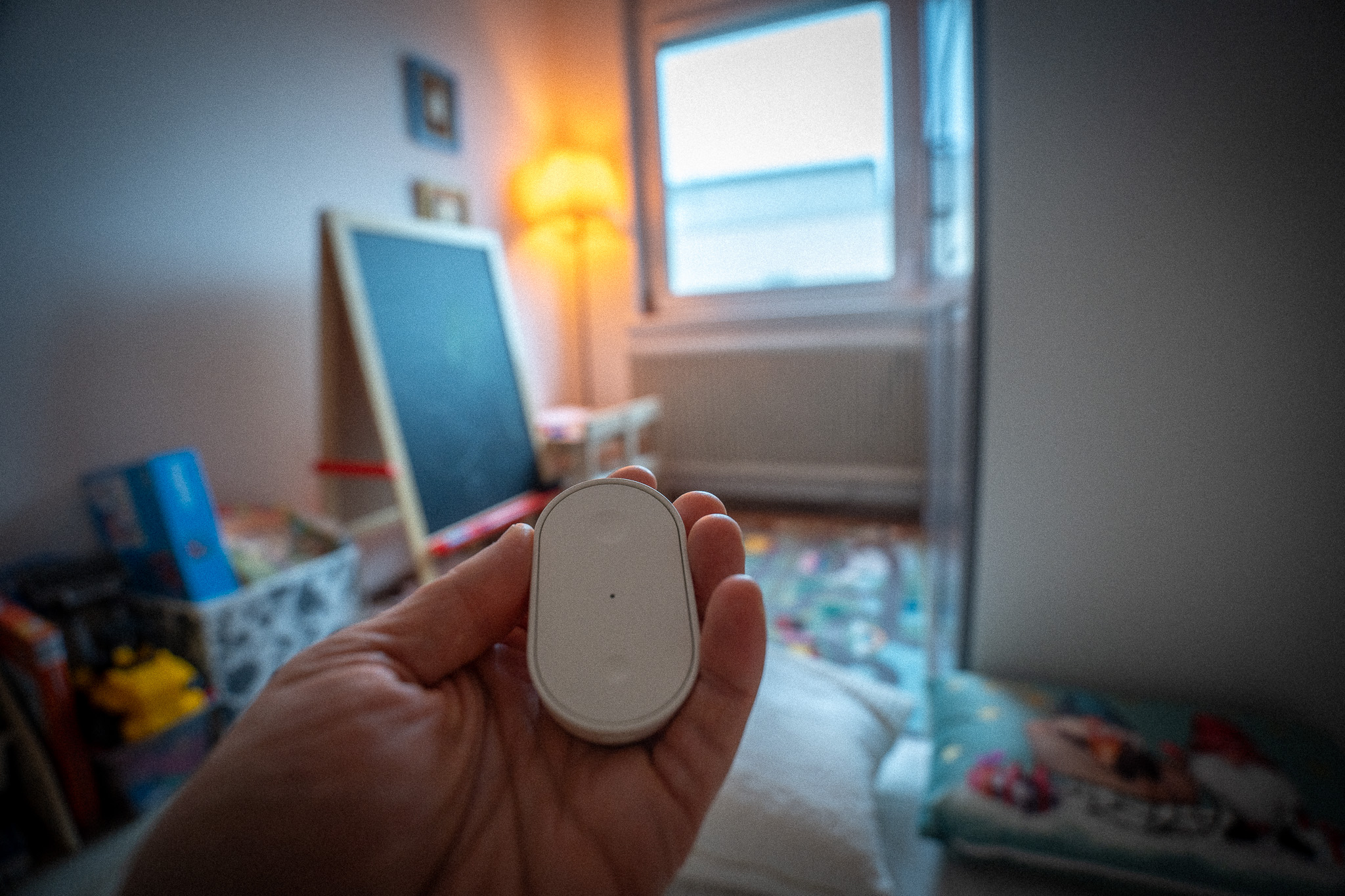
Who doesn’t know this situation: In the evening, you want to read something to your child, but the reading light’s battery is empty again. At night, you stumble over Lego in the hallway because you can’t find the light switch in the dark. During diaper changes, feeding, or late-night trips to the bathroom, the light is either far too bright – or you have to get up every single time to switch it on or off, often with a baby in your arms.
It was exactly these everyday situations that led us to install an IKEA Smart Home in our apartment. We tested lights, motion sensors, and remote controls based on the new Matter standard. In the future, we also plan to control our lighting via voice command. In this post, we’re sharing our experiences so far – and we’ll continue to update it over time.
Overview
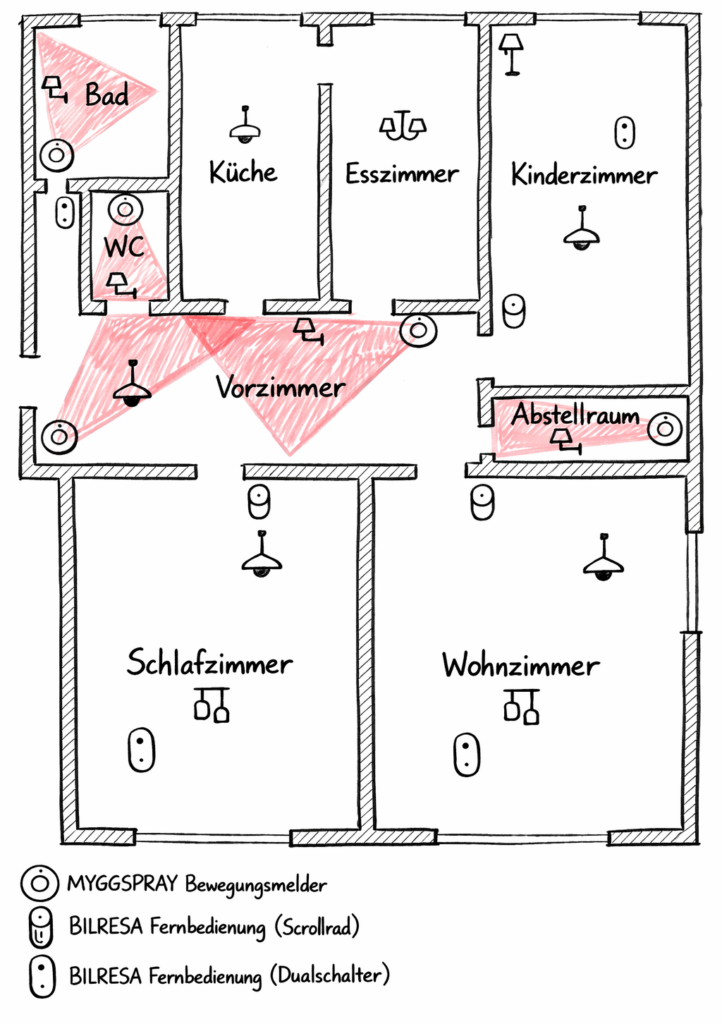
Here you can see the floor plan of our apartment:
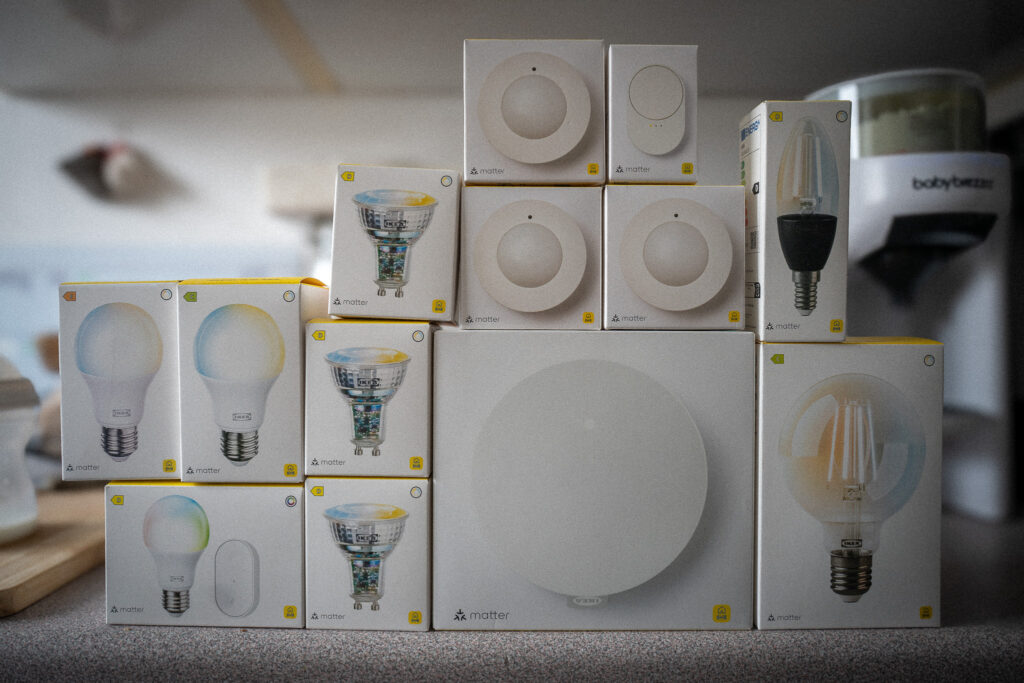
The IKEA Smart Home products we installed are compatible with the Matter standard:
Motion Sensors in the Hallway
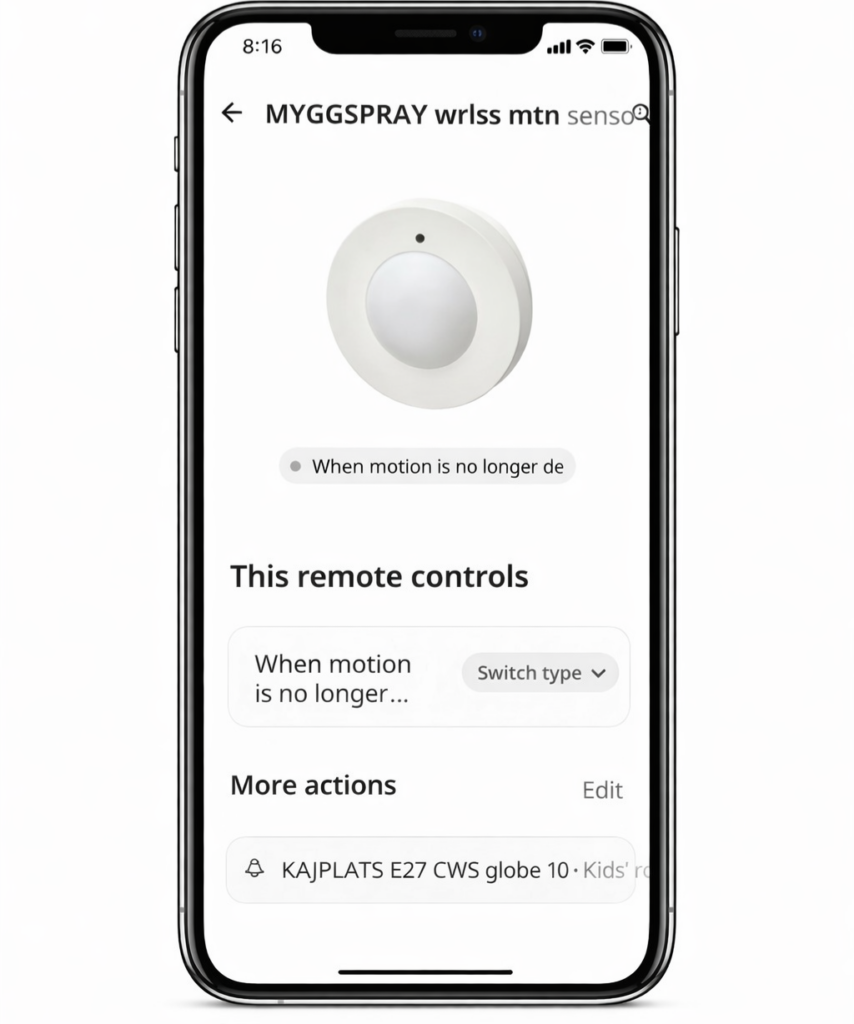
In the hallway, we installed two MYGGSPRAY motion sensors, each controlling KAJPLATS light bulbs (E27 with 1521 lm and E14 with 470 lm respectively).
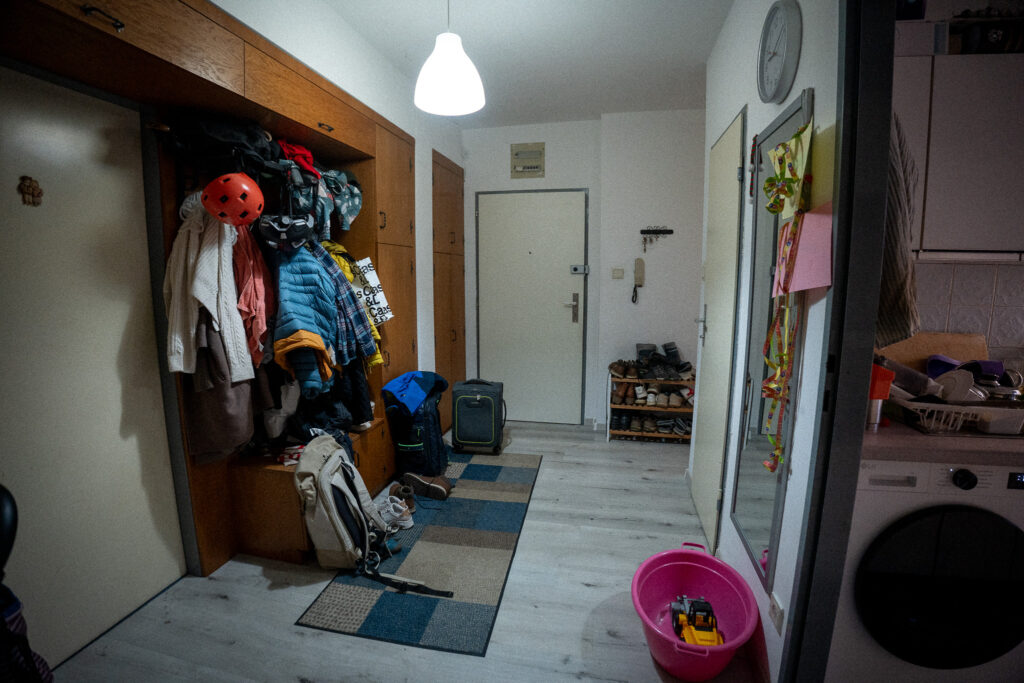
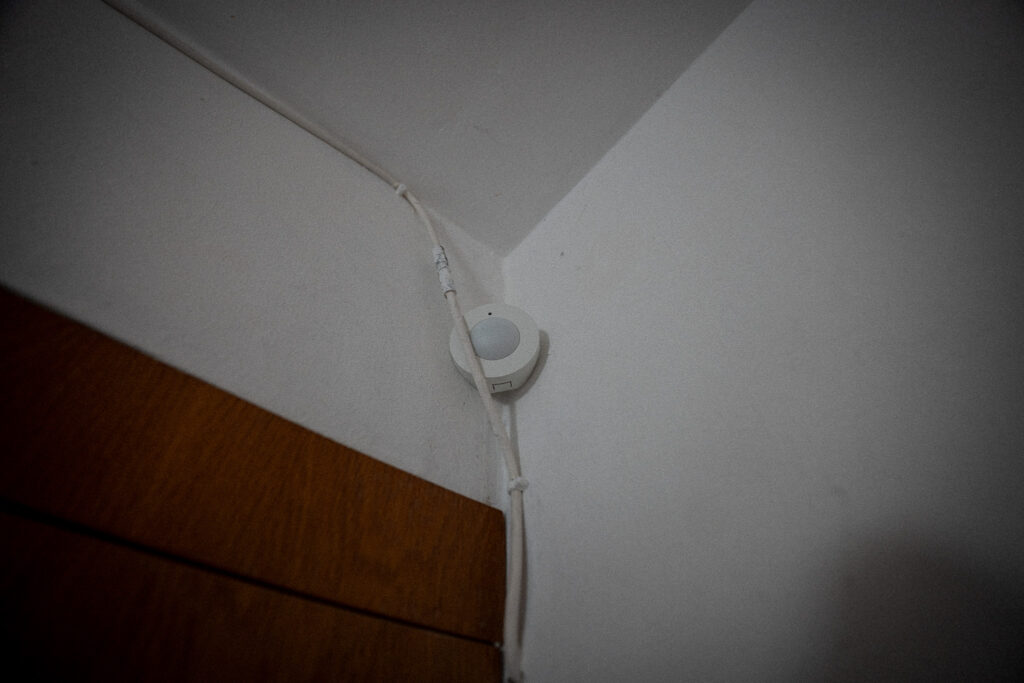
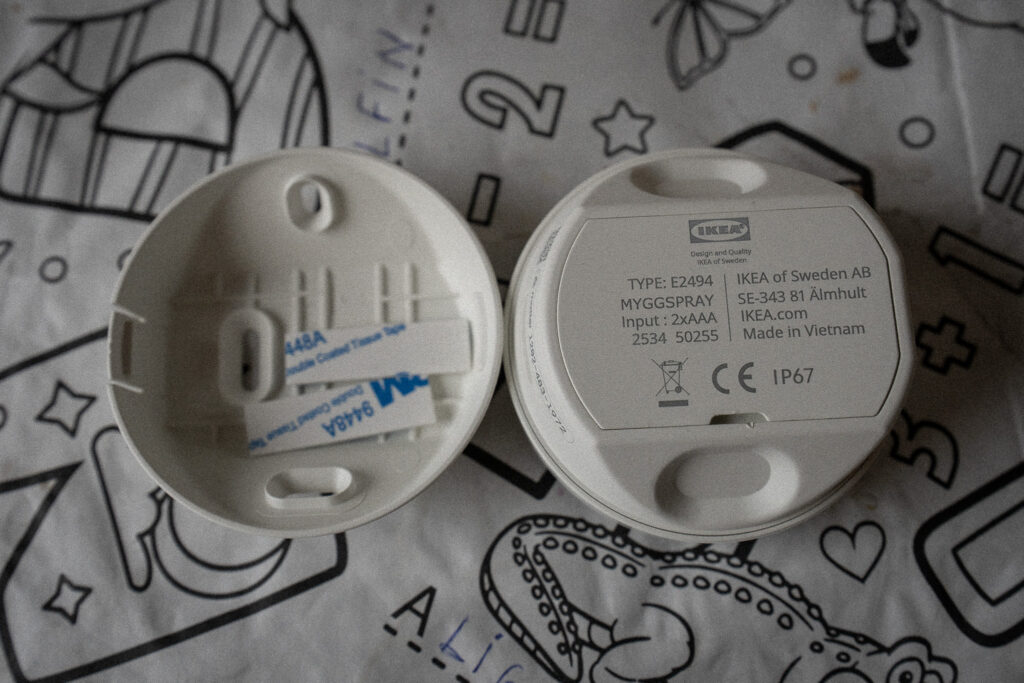
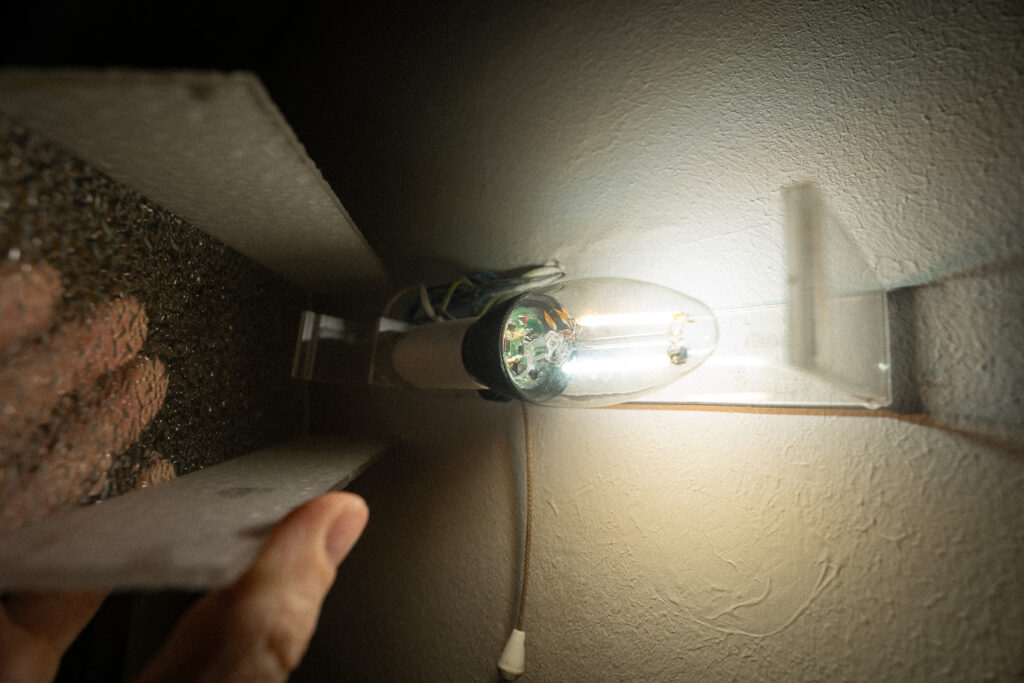
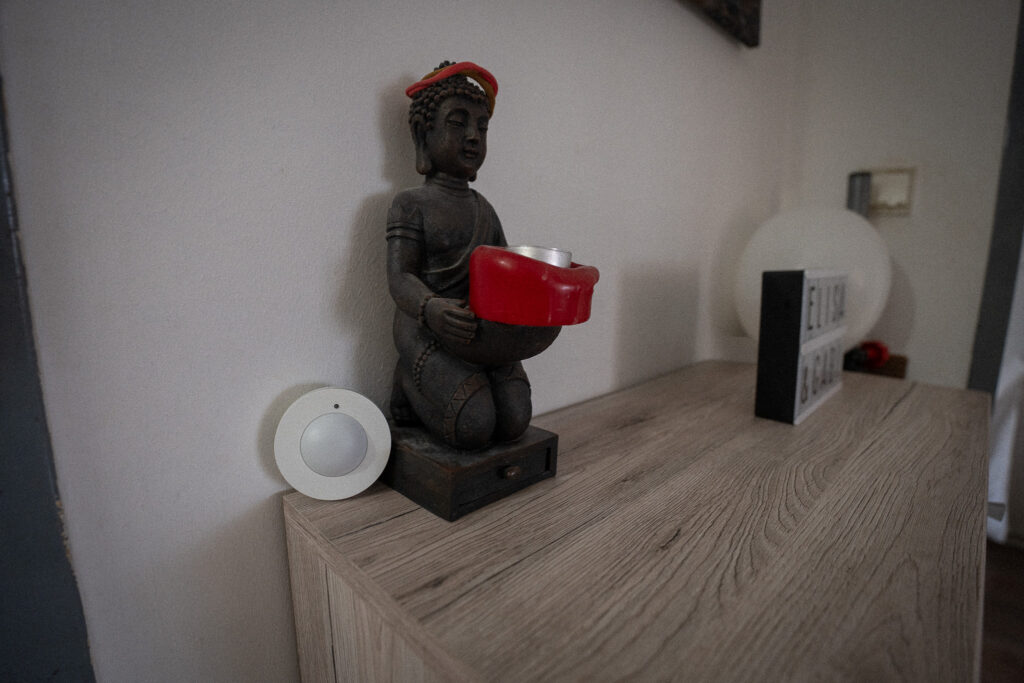
In the app, we configured the lights to be heavily dimmed and warmer at night, while during the day they switch on brighter with a cooler white light.
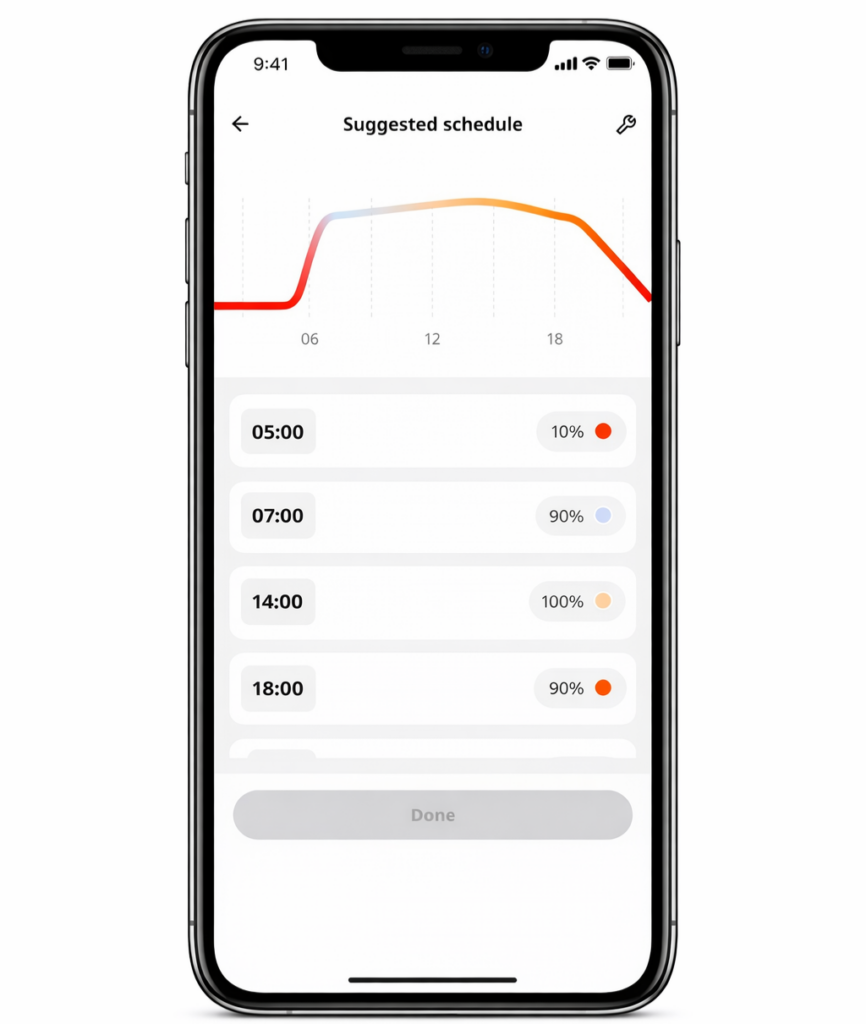
This allows us to move around safely even when half asleep, without stumbling. At the same time, the light automatically switches off as soon as no movement is detected – saving energy and keeping things calm.
WC
In the toilet, we also installed a motion sensor and a KAJPLATS bulb (E27, 470 lm – perfectly sufficient). Here too, the light follows the day-night rhythm.
Bathroom
The setup in the bathroom is similar. In addition, we installed a BILRESA remote control with a dual switch, allowing us to manually turn on the light during the day if needed. The motion sensor’s cooldown time is intentionally set longer so that you don’t constantly have to move to keep the light on.
Children’s Room
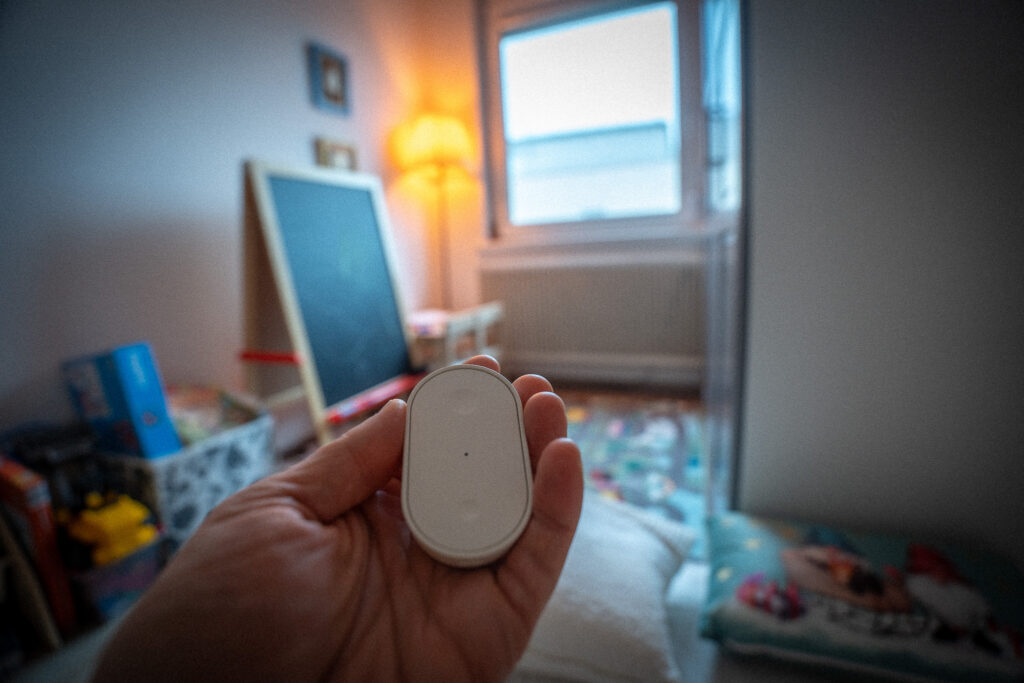
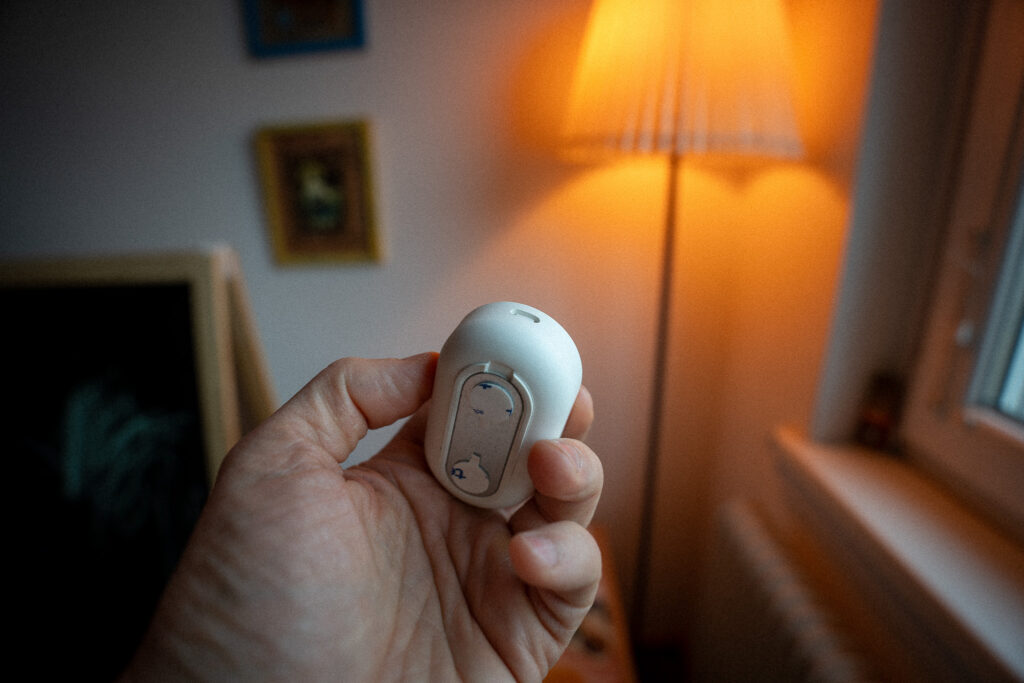
In the children’s room, we use a floor lamp with a KAJPLATS bulb (1055 lm) as a reading light. We usually control it with a BILRESA remote control with a dual switch directly from the bed – for switching on and off or dimming. Since it’s a low Montessori-style bed, this saves us from constantly having to get up.
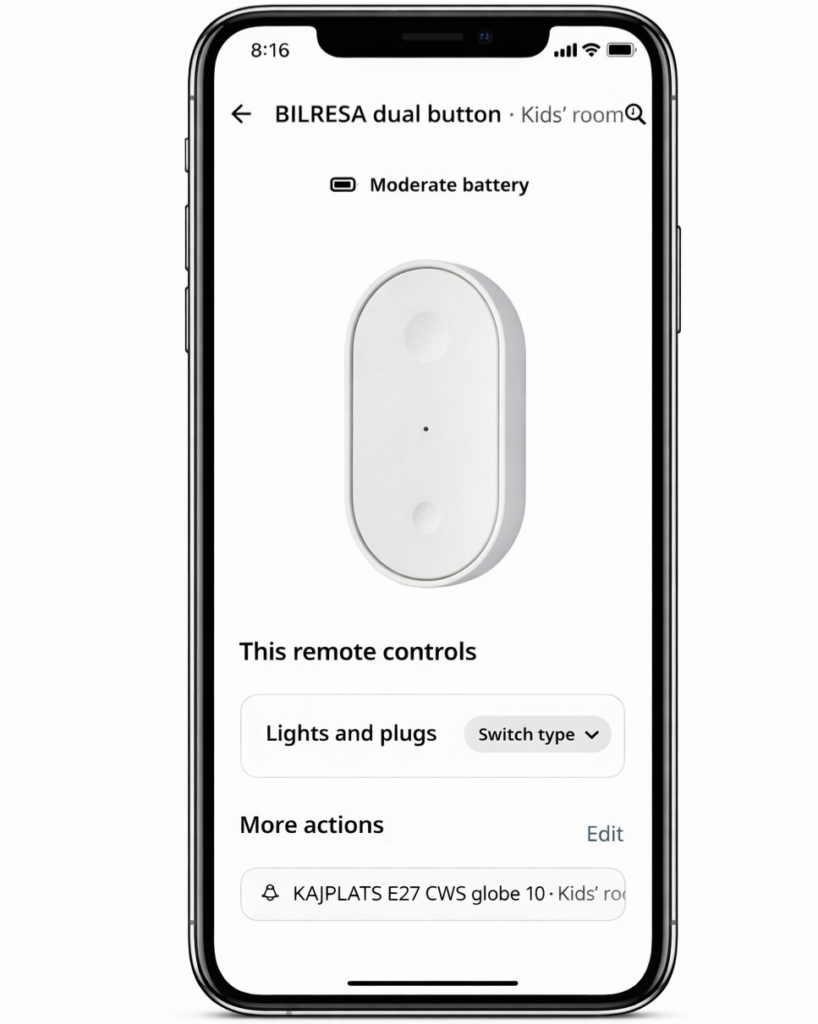
It’s the only bulb in our apartment that not only supports the white spectrum but also allows color changes – which we find especially fitting for the children’s room.
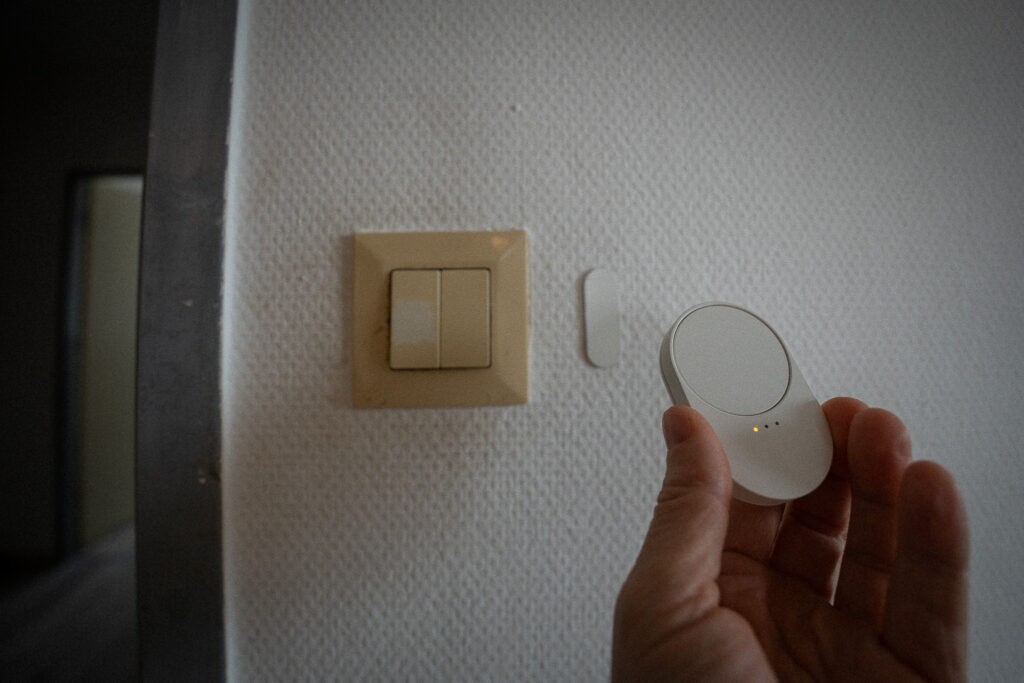
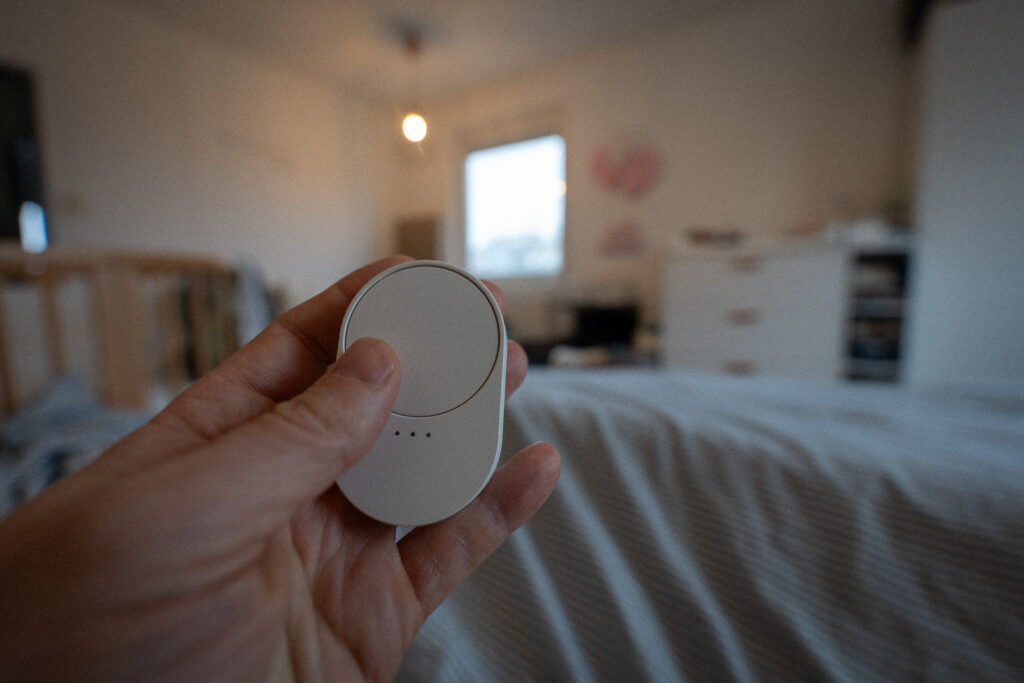
Additionally, we installed another BILRESA remote control with a scroll wheel. Thanks to its magnetic mount, it is detachable and attached right next to the light switches by the door. This allows us to conveniently dim the lights and switch between the floor lamp and the ceiling light.
Bedroom
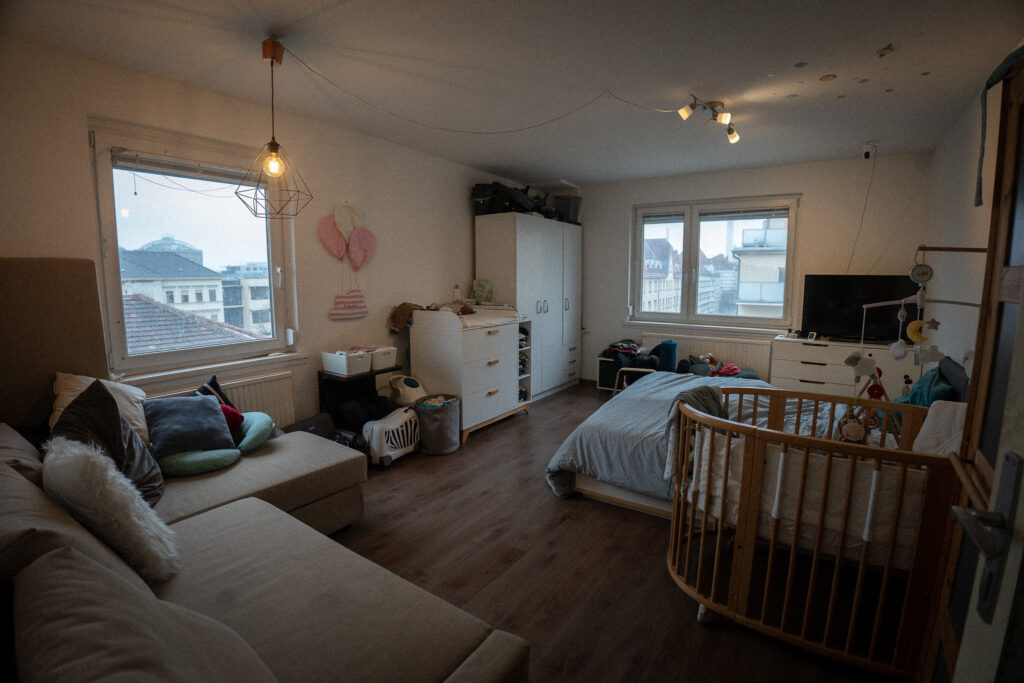
Our bedroom contains both the baby crib and the changing table.
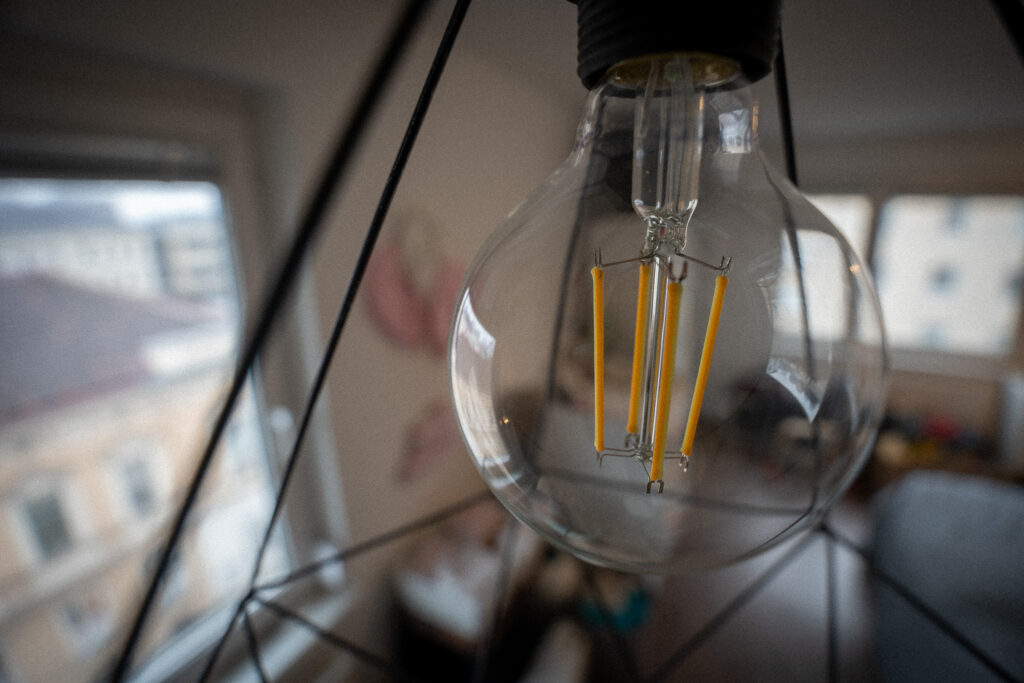
Above the sofa, we installed a clear KAJPLATS bulb (E27, 806 lm), which we can conveniently control from the bed using a BILRESA remote control with a dual switch.
Next to the light switches by the door, there is also a BILRESA remote control with a scroll wheel. We use it to control both the sofa lamp and three spotlights above the bed and changing table (KAJPLATS GU10, 575 lm).
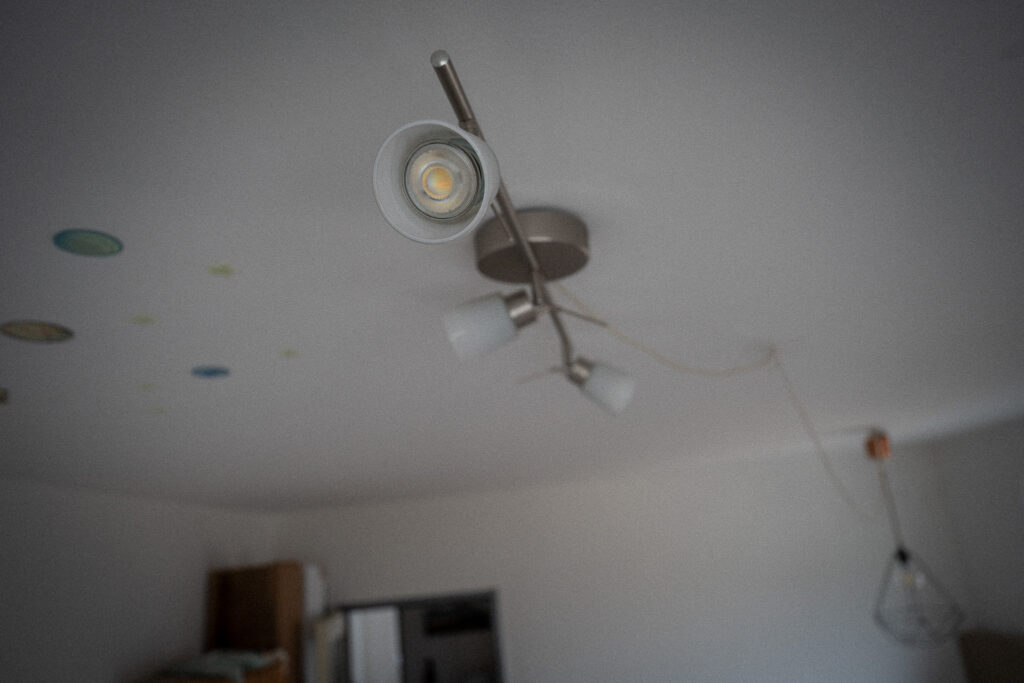
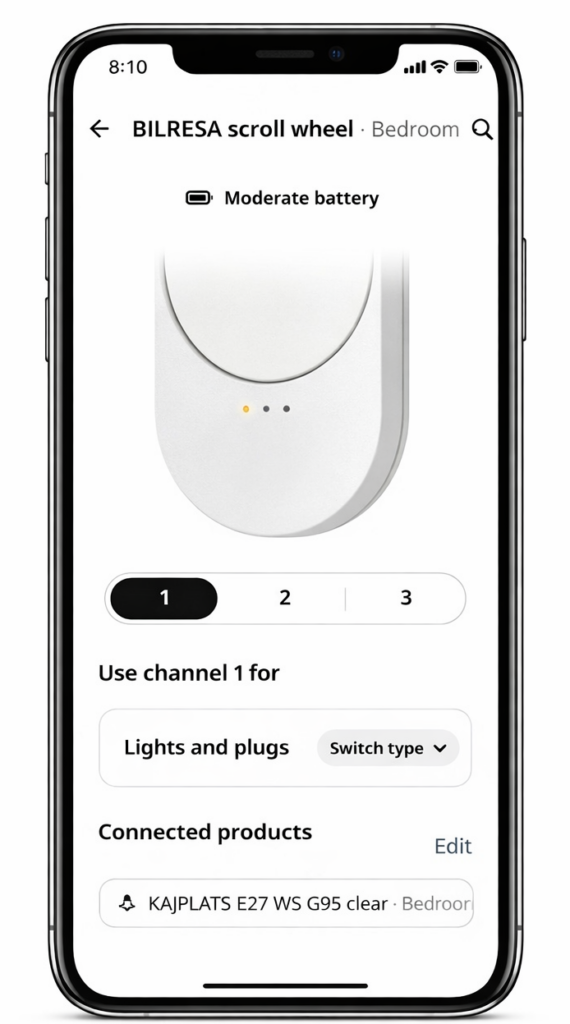
The remote controls have been a real game changer for us: especially at night during feedings, we can set the light very dim and warm and control it directly from the bed – a big advantage that helps soften the effects of sleep deprivation at least a little.
Control Center and Voice Control
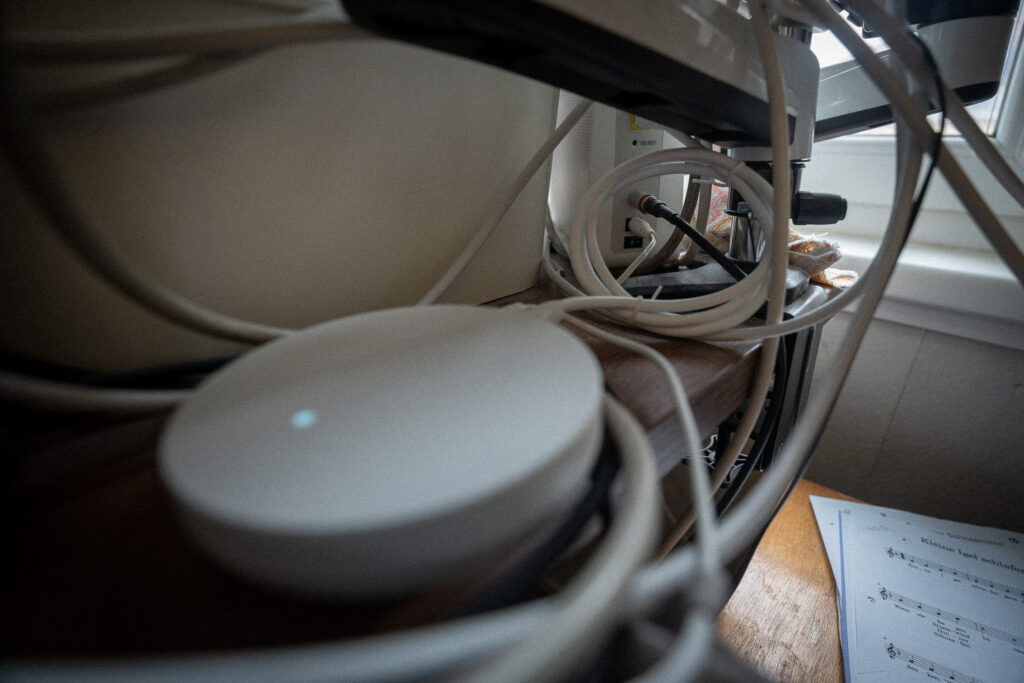
For the sake of simplicity – and also for cost reasons – we chose the DIRIGERA Hub as the central control unit for our Smart Home.
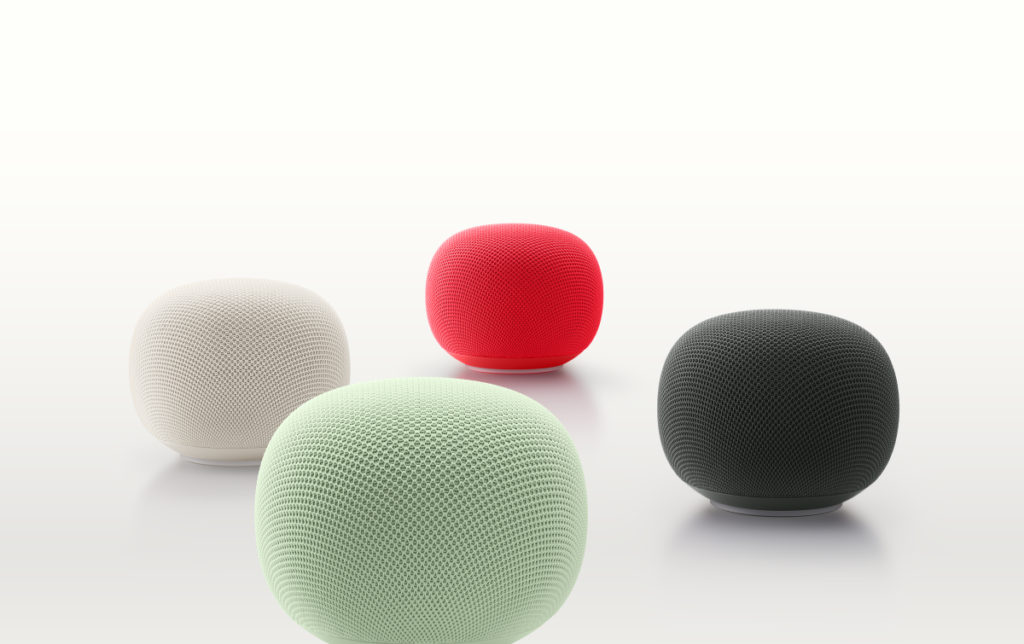
As soon as Google Gemini is supported on Google speakers, we plan to purchase a Google Home Speaker for voice control. This would allow us to make spoken requests to the AI in the future – for example, asking for cooking recipes, which will surely be fun for the kids.
Conclusion
Finally, I’d like to briefly summarize what we particularly liked about the IKEA Smart Home with the new Matter-compatible devices – and where we still see room for improvement.
Positive:
- Existing light switches could remain in place
- Relatively low price
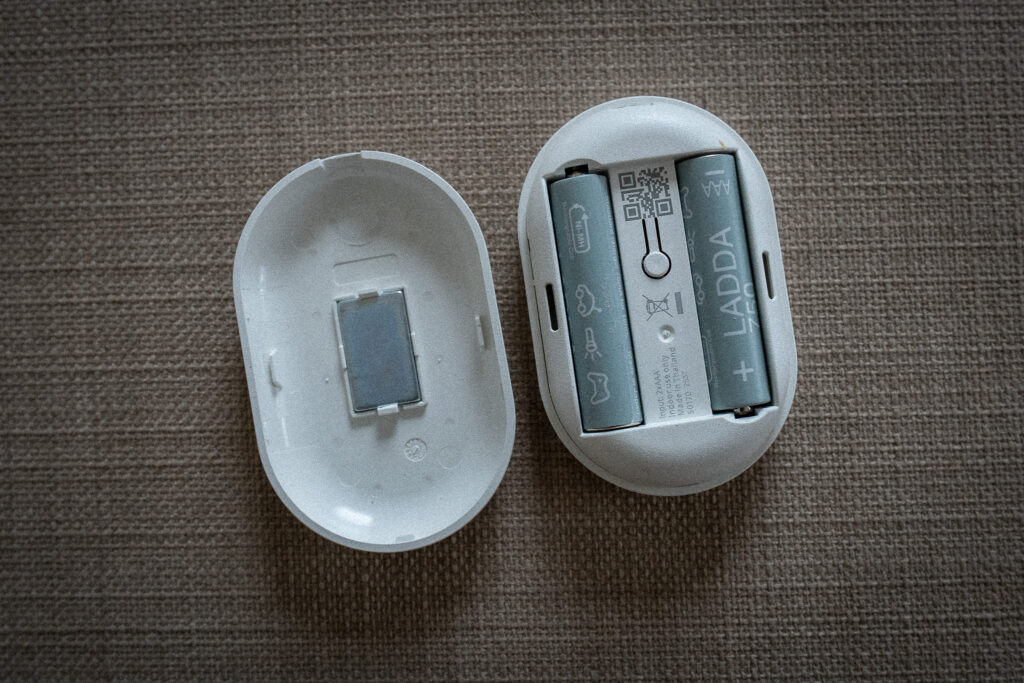
- Remote controls and sensors use standard AAA batteries
- Quick and straightforward installation

Negative:
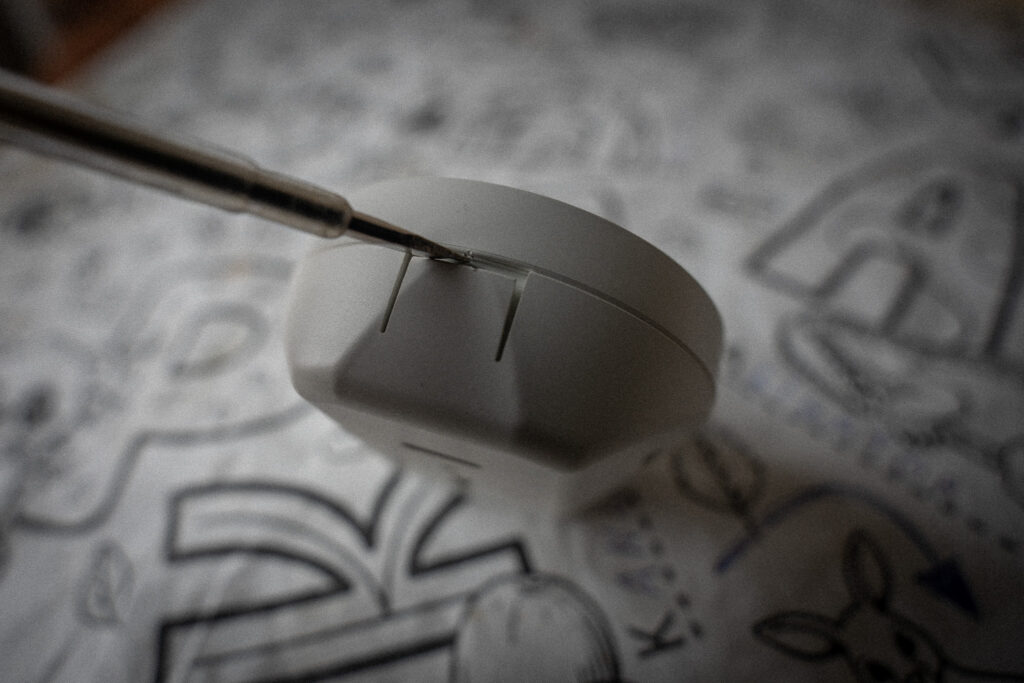
- Remotes are somewhat difficult to open (you’re afraid of damaging the plastic)
- The MYGGSPRAY motion sensor does not have an integrated light sensor
- MYGGSPRAY reacts with a slight delay
- The scroll wheel on the BILRESA remote is a bit slippery (we prefer the dual switches, but they don’t allow switching between light groups)
- BILRESA remotes have a slight delay – the light doesn’t respond quite as directly as with a traditional light switch, which makes operation less intuitive
Smoke detectors and door/window sensors can also be useful. However, since our windows are locked, this wasn’t a priority for us. We use blinds to completely darken the rooms for sleeping – especially important with children. Unfortunately, they can currently only be operated manually and therefore cannot be integrated into the Smart Home.
What’s your opinion on the new Matter-compatible Smart Home devices from IKEA – or on Smart Homes in general? Have they been as much of a game changer for you as they have for us? For us, they noticeably simplify everyday life. Feel free to share your experiences in the comments!
Leave a Reply